Stonetop: A Primer
If you've heard of Stonetop but aren't sure whether it's a good fit for your group, here's a brief overview that should give you an idea of what the game is about.
What Is Stonetop?
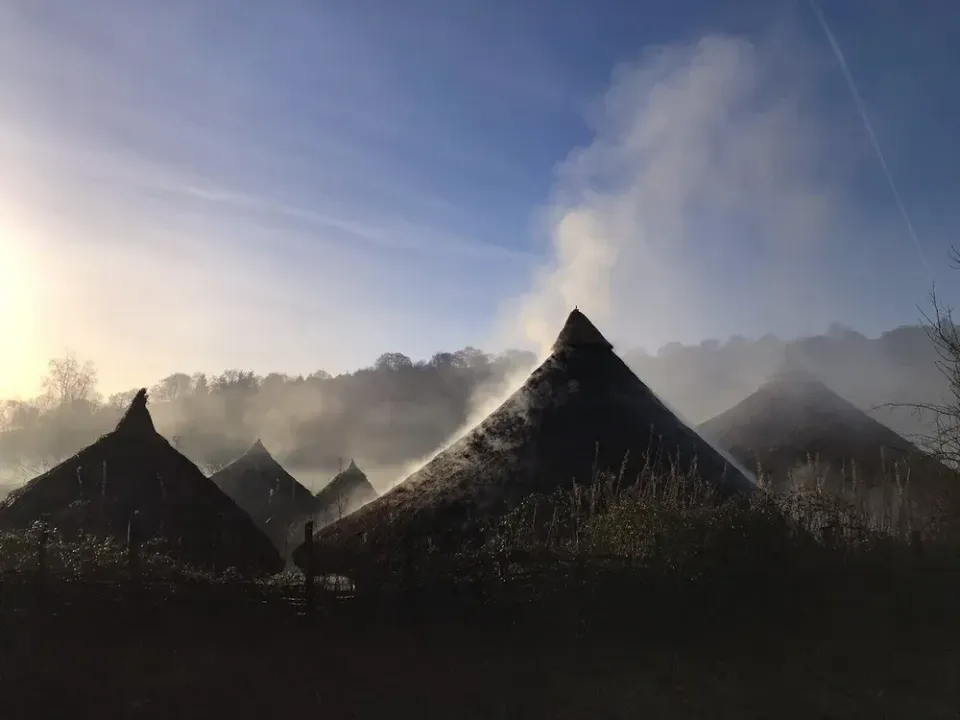
Stonetop is a hearth fantasy RPG set in an iron age that never was. It's for a GM and 2-4 players, and it's heavily focused on campaign play. The book recommends at least 3 or 4 sessions to really experience the game, but Stonetop is at its best played long-term, over dozens of sessions
You're the local heroes of a small, isolated village called Stonetop. Your friends and family live there. It's home.
You go out on adventures, travel to far-off lands, explore ancient ruins, fight monsters and hunt for items that your village needs.
Eventually, you return home.
Stonetop includes a playbook for the village itself, including population, prosperity, defenses, resources and improvements. The players determine which improvements they'd like to implement, and building them may require resources Stonetop doesn't have, which provides a natural reason to explore the wider world.
The World Around Stonetop
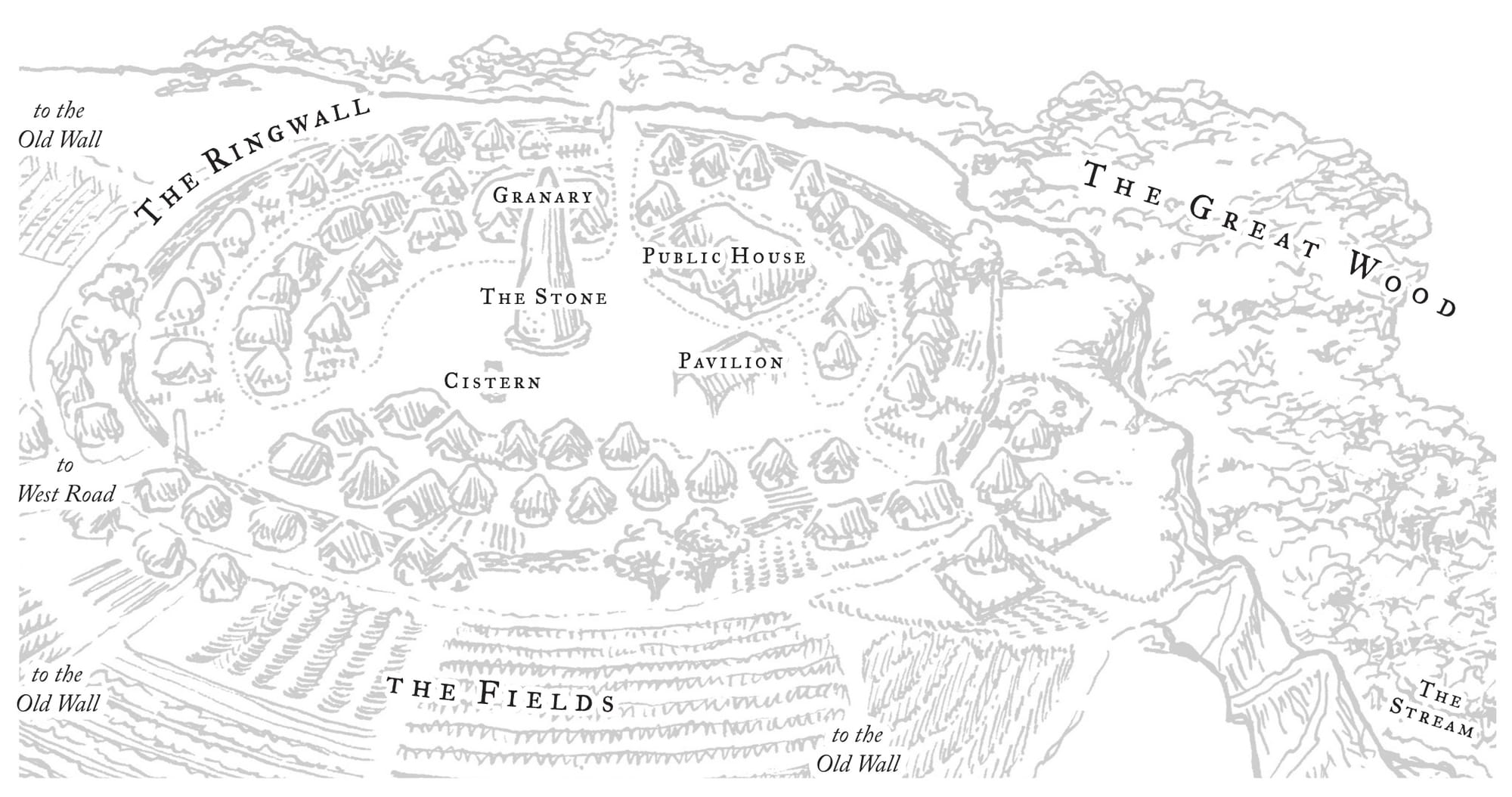
Stonetop is a poor village of 300 or so people in a sparsely populated region called the World's End. The village surrounds a huge standing stone dotted with faint runes. Lightning strikes the stone often enough that no local really gives it much thought.
Stonetop is adjacent to the Great Wood, and other settlements are days away. It has more of an iron age feel than your average medieval fantasy RPG. Iron is common, but good steel is not.
Magic exists, but it's not particularly safe. Ancient roads and ruins dot the World's End, including ruins under Stonetop itself.
Who Do You Play?
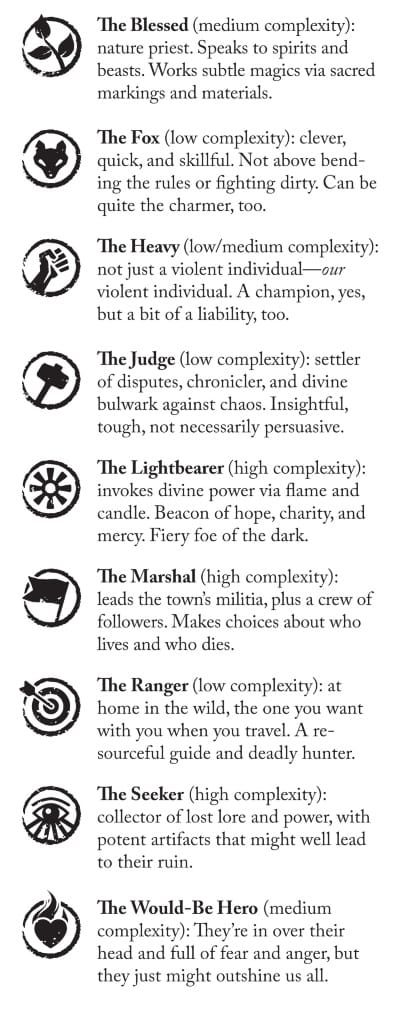
There are 9 standard playbooks: The Blessed, The Fox, The Heavy, The Judge, The Lightbearer, The Marshal, The Ranger, The Seeker and The Would-be Hero.
Character generation is collaborative. As you generate your characters and answer questions about their lives, you're also defining relationships and details about the village. When you're done, Stonetop has already begun to take shape as your group's version of the place.
How Does Stonetop Play?
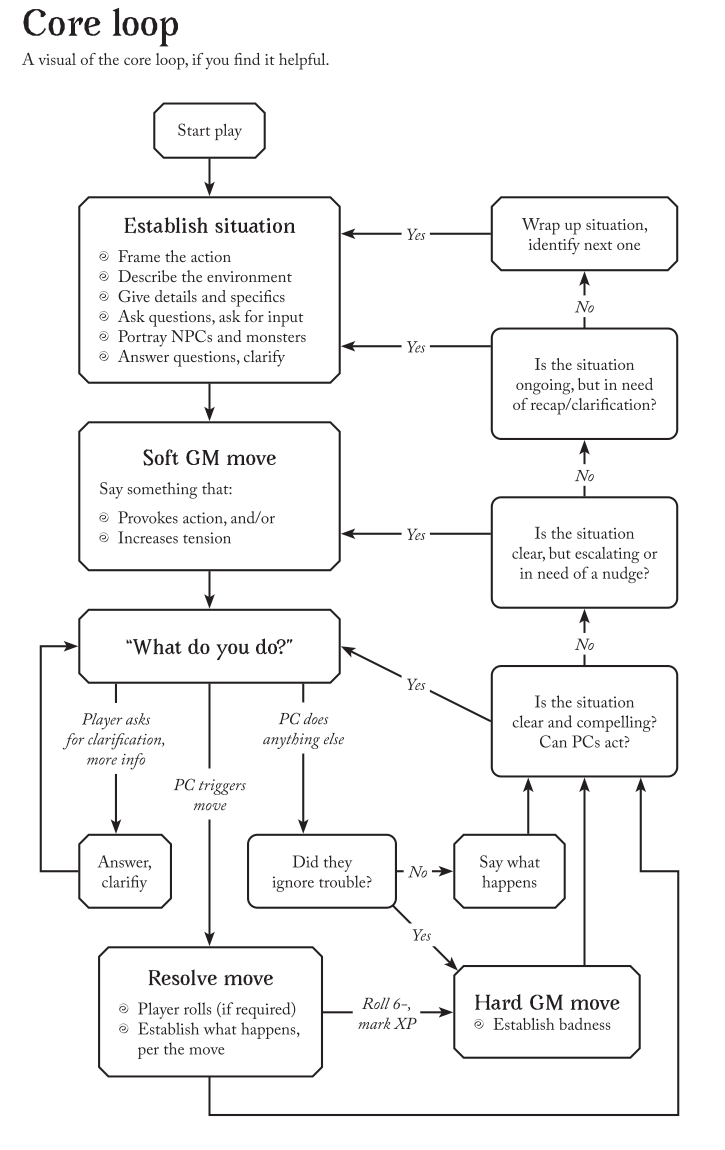
At the table, Stonetop is a conversation between the GM and the players. The GM establishes what's happening, describes the world and introduces something that calls for a response, then asks the players what they do. The players describe their actions, and when something they do triggers a move, you follow that move's rules. What happens changes the situation, and the conversation keeps going from there.
Mechanically, Stonetop is Powered by the Apocalypse and based on Dungeon World. The GM doesn't generally roll to see what the monsters or NPCs do. Instead, the GM makes moves. A soft GM move introduces trouble, increases tension or gives the characters something to react to. If a character ignores established trouble or rolls a 6- on a move, the GM makes a hard GM move, which means something bad happens or the situation gets significantly worse.
A Quick Example
In a traditional RPG, the GM might say, “The bandit shoots at you,” roll the bandit’s attack, and determine whether it hits. The NPC acts, the GM resolves the action, and the player deals with the result.
In Stonetop, the GM might instead say, “The bandit raises his bow and draws a bead on you. What do you do?”
That’s a soft move. The danger is real, but it hasn’t happened yet. The GM has put the situation in motion and handed the conversation back to the player.
“I dive behind the old stone wall.”
If that action triggers a player move, you make the move and follow its result. Maybe you get safely behind cover. Maybe you make it, but the GM introduces a new complication. Or maybe things go badly.
If the player ignores the threat, or the rules give the GM an opportunity to follow through, the GM might say, “The arrow catches you in the shoulder.”
That’s a hard move: the consequence happens.
The important distinction isn’t that soft moves are mild and hard moves are severe. A soft move can threaten something terrible. The difference is whether the player gets a chance to react before the consequence lands.
Soft: “The floor cracks beneath your feet. What do you do?”
Hard: “The floor gives way and you plunge into the cellar below.”
Players also have a real voice in how the world turns out. The GM asks questions, the players answer, and those answers become part of the setting. Every group ends up creating its own version of Stonetop.
What Does a Campaign Look Like?
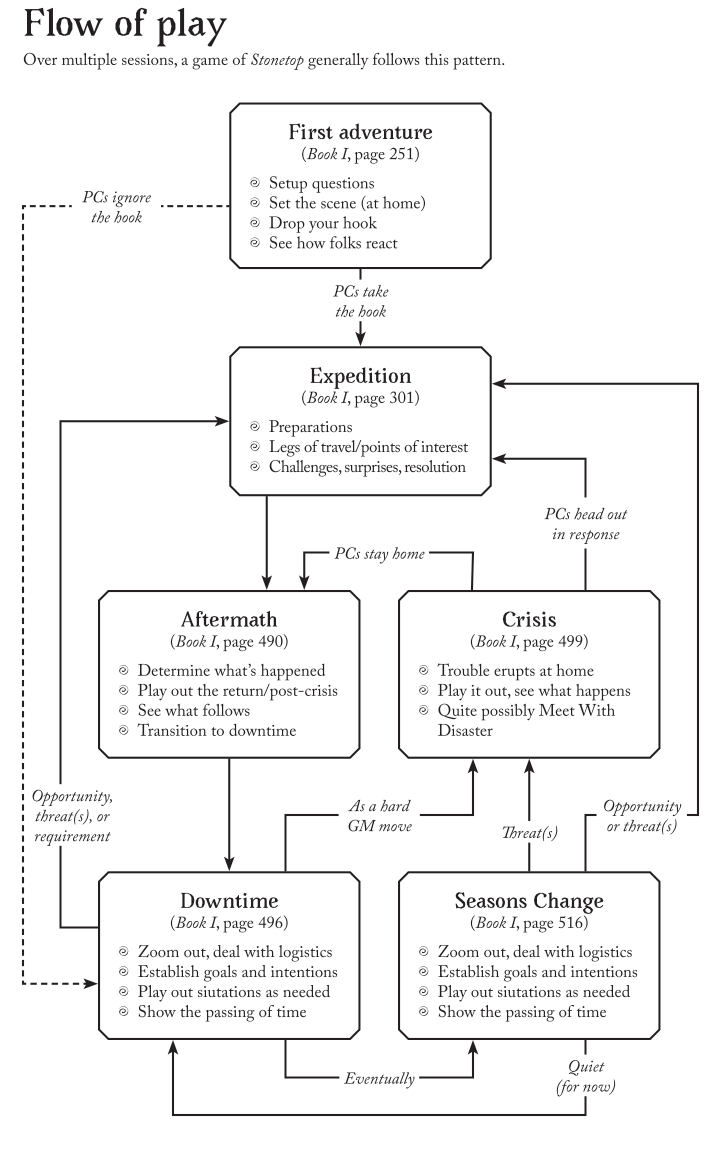
Zoom out and there's a larger rhythm to a Stonetop campaign. The characters spend time at home, something gives them a reason to head into the wider world, and they undertake an expedition. When they return, you deal with the aftermath and find out what happened while they were away. Then comes downtime. Eventually the seasons change, bringing new threats and opportunities, and sooner or later something gives the characters a reason to head out again.
Home time is a real part of the game. Characters spend time with family and friends, work on projects, aid the village, pursue relationships and prepare for what lies ahead. Stonetop isn't meant to be a nonstop string of adventures, and days, weeks or even months can pass between them.
Those relationships become a big part of the campaign. The PCs have family, friends, rivals and other connections throughout the village, and those people have relationships of their own. It doesn't take long for Stonetop to become a pretty tangled web.
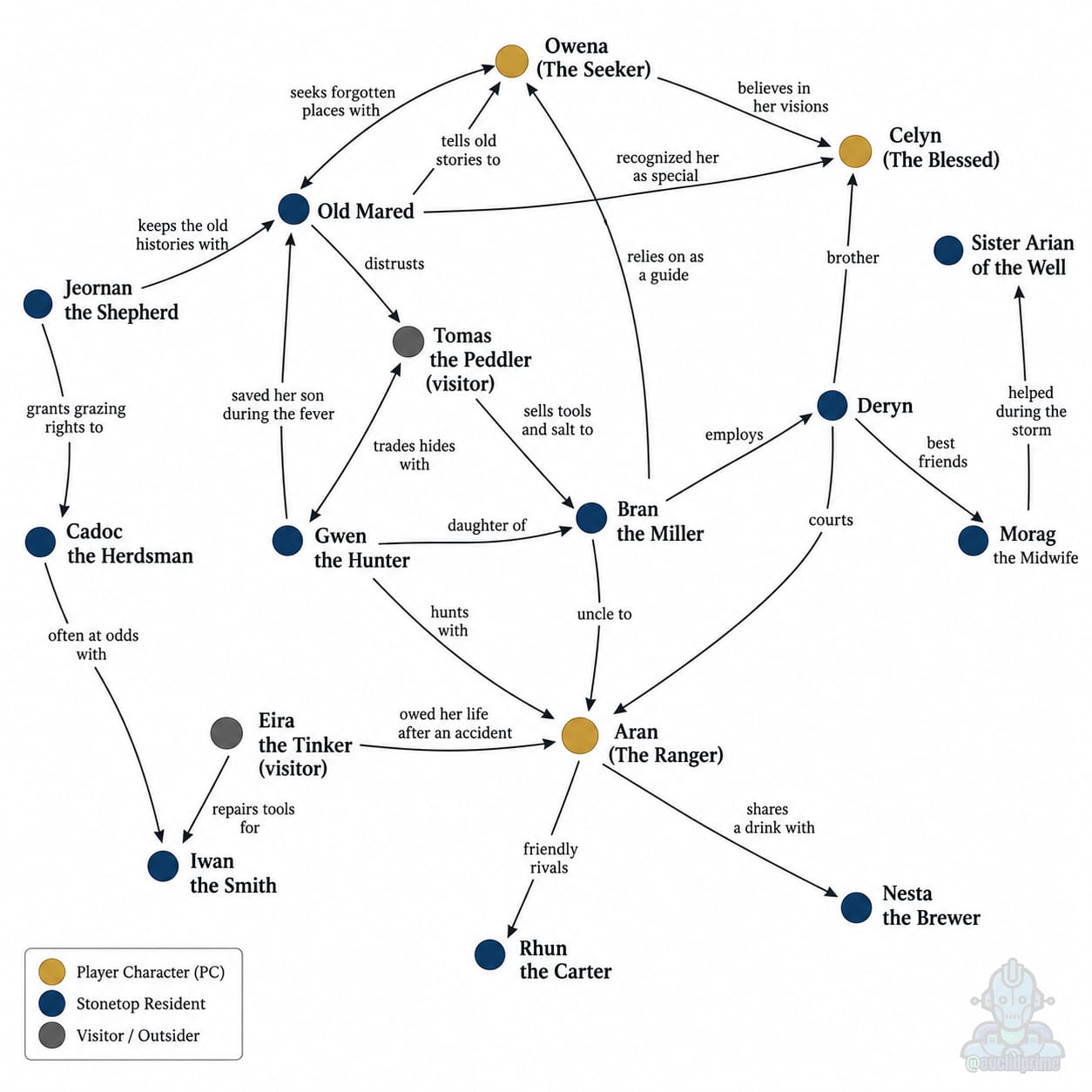
Is Stonetop a good fit for your table?
Stonetop asks for a little more commitment than a lot of fantasy RPGs. It isn't really built for one-shots or a rotating cast of characters. It wants the same group to come back to the same village, session after session, and care about what happens there.
If your group likes exploration, dangerous journeys, strange ruins, monsters and mysterious magic, there's plenty of that here. But what happens back home is just as important. People worried while you were gone. Things changed. Maybe you came back with what the village needed, or maybe you didn't. Either way, the people and problems you left behind didn't just wait around for you.
Your characters aren't wandering adventurers looking for the next dungeon. They have families, friends and responsibilities. Sometimes the thing that sends you into an ancient ruin isn't treasure at all. Stonetop might need something that's inside. Someone you care about might be in trouble. Something out there might threaten your home.
The long campaign matters, too. Seasons pass, relationships change, and projects that seemed impossible when you started eventually become real. Children grow up. People die. After dozens of sessions, the village you come home to won't be quite the same one you started with, in part because of what your characters have done and in part because the world kept moving while they were away.
If your group wants fantasy adventure where home matters as much as the adventure itself, Stonetop is worth a serious look. If you'd rather play wandering heroes chasing fortune and glory with few ties holding them down, it probably isn't the game you're looking for.

Have a question, comment, or something Stonetop-related to share? Visit r/Stonetop on Reddit.